



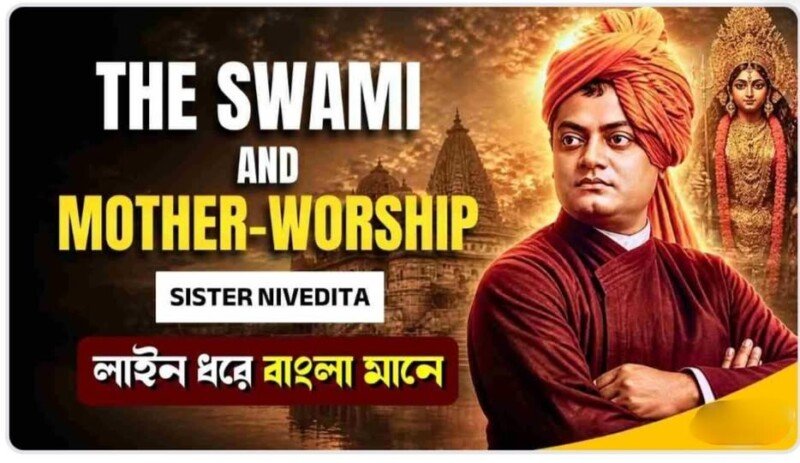
Class 11 1st Semester English
The Swami and Mother-Worship
Bengali Meaning
(লাইন ধরে)
Class 11 1st Semester English
Published on:
একাদশ শ্রেণির প্রথম সেমিস্টারের পাঠ্য, Sister Nivedita লেখা ‘The Swami and Mother-Worship’ একটি গভীর আধ্যাত্মিক প্রবন্ধ। এই লেখায় স্বামী বিবেকানন্দের জীবনে দেবী কালীর প্রভাব, শ্রীরামকৃষ্ণের সান্নিধ্যে তাঁর আধ্যাত্মিক রূপান্তর এবং মাতৃরূপী ঈশ্বরের প্রতি তাঁর পরম ভক্তির কথা সুন্দরভাবে তুলে ধরা হয়েছে।
বোর্ড: বিষয়বস্তু
1 The Swami and Mother-Worship – Sister Nivedita | Class 11 1st Semester English Bengali Meaning
1.1 ✦ Bengali Meaning of The Swami and Mother-Worship (Intro Part) Class 11 1st Semester
1.2 ✦ Line by Line Bengali Meaning (Text Part)
1.3 ✦ Ending Part of Bengali Meaning
1.4 Important Vocabulary & English Terms Meaning (The Swami and Mother-Worship)
The Swami and Mother-Worship – Sister Nivedita
Class 11 1st Semester English Bengali Meaning
এখানে প্রতিটি লাইন অনুবাদসহ অর্থ ব্যাখ্যা (Line by Line Meaning – The Swami and Mother-Worship) করে দেওয়া হয়েছে, যাতে ছাত্র-ছাত্রীরা নিজেরাই সহজভাবে গল্পটি বুঝে নিতে পারে।
✦ The Swami and Mother-Worship (Intro Part)
Bengali Meaning
Class 11 1st Semester
About the Author – Original English:
Sister Nivedita (1867-1911): Margaret Elizabeth Noble was born in the town of Dungannon in County Tyrone, Ireland. She was an Irish teacher, social activist, school founder and disciple of Swami Vivekananda. She spent her childhood and early youth in Ireland. She met Swami Vivekananda in 1895 in London and travelled to Calcutta, India in 1898. Swami Vivekananda gave her the name Nivedita when he initiated her into the vow of Brahmacharya on 25 March 1898. In November 1898, she opened a girls’ school in the Bagbazar area of North Calcutta. She wanted to educate girls who were deprived of even basic education. Nivedita had close association with the newly established Ramkrishna Mission.
বাংলা অনুবাদ:
ভগিনী নিবেদিতা (১৮৬৭-১৯১১): মার্গারেট এলিজাবেথ নোবেল আয়ারল্যান্ডের টাইরন কাউন্টির ডাংগানন শহরে জন্মগ্রহণ করেন। তিনি ছিলেন একজন আইরিশ শিক্ষিকা, সমাজকর্মী, বিদ্যালয় প্রতিষ্ঠাত্রী এবং স্বামী বিবেকানন্দের শিষ্যা। তিনি তাঁর শৈশব এবং প্রথম যৌবন আয়ারল্যান্ডে কাটিয়েছিলেন। ১৮৯৫ সালে লন্ডনে তাঁর সাথে স্বামী বিবেকানন্দের পরিচয় হয় এবং ১৮৯৮ সালে তিনি ভারতের কলকাতায় আসেন। ২৫শে মার্চ ১৮৯৮ সালে স্বামী বিবেকানন্দ যখন তাঁকে ব্রহ্মচর্যের ব্রতে দীক্ষিত করেন, তখন তিনি তাঁর নাম দেন নিবেদিতা। ১৮৯৮ সালের নভেম্বরে, তিনি উত্তর কলকাতার বাগবাজার এলাকায় মেয়েদের জন্য একটি স্কুল খোলেন। তিনি সেই সব মেয়েদের শিক্ষিত করতে চেয়েছিলেন যারা প্রাথমিক শিক্ষা থেকেও বঞ্চিত ছিল। সদ্য প্রতিষ্ঠিত রামকৃষ্ণ মিশনের সাথে নিবেদিতার ঘনিষ্ঠ সম্পর্ক ছিল।
About the Text:
The text highlights Swami Vivekananda’s profound and passionate devotion to the Divine Mother. It portrays his deep and unwavering faith in Her as the ultimate reality and the source of all power. Sister Nivedita shows how he spoke about the Divine Mother using familial and personal language, revealing his spiritual fervour. Ultimately, this portrayal showcases the inclusive and expansive nature of Hindu spirituality.
বাংলা অনুবাদ:
এই পাঠ্যাংশে ঐশ্বরিক মায়ের প্রতি স্বামী বিবেকানন্দের গভীর ও আবেগময় ভক্তি তুলে ধরা হয়েছে। এখানে মায়ের প্রতি তাঁর গভীর ও অবিচল বিশ্বাসকে চূড়ান্ত সত্য এবং সমস্ত শক্তির উৎস হিসেবে চিত্রিত করা হয়েছে। ভগিনী নিবেদিতা দেখিয়েছেন কীভাবে তিনি ব্যক্তিগত ও পারিবারিক ভাষা ব্যবহার করে ঐশ্বরিক মায়ের কথা বলতেন, যা তাঁর আধ্যাত্মিক উদ্দীপনাকে প্রকাশ করে। পরিশেষে, এই চিত্রায়ন হিন্দু আধ্যাত্মিকতার অন্তর্ভুক্তিমূলক এবং প্রসারিত রূপকে তুলে ধরে।
✦ Line by Line Bengali Meaning (Text Part)
Original English:
“The story of the glimpses which I caught of this part of the Swami’s life would be singularly incomplete, if it contained no mention of his worship of the Mother.”
বাংলা অনুবাদ:
স্বামীজির জীবনের এই অংশের যে সামান্য ঝলক আমি দেখেছি, তার গল্পটি সম্পূর্ণ অসম্পূর্ণ থেকে যাবে, যদি তাতে তাঁর মাতৃ-বন্দনার কোনো উল্লেখ না থাকে।
Original English:
“Spiritually speaking, I have always felt that there were two elements in his consciousness. Undoubtedly he was born a Brahmajnani, as Ramakrishna Paramahamsa so frequently insisted. When he was only eight years old, sitting at his play, he had developed the power of entering Samadhi.”
বাংলা অনুবাদ:
আধ্যাত্মিক দিক থেকে বলতে গেলে, আমি সবসময় অনুভব করেছি যে তাঁর চেতনায় দুটি উপাদান ছিল। নিঃসন্দেহে তিনি একজন ব্রহ্মজ্ঞানী হিসেবে জন্মগ্রহণ করেছিলেন, যেমনটা রামকৃষ্ণ পরমহংসদেব বারবার জোর দিয়ে বলতেন। মাত্র আট বছর বয়সে, খেলাধুলার মাঝেই তাঁর সমাধিস্থ হওয়ার ক্ষমতা তৈরি হয়ে গিয়েছিল।
Original English:
“The religious ideas towards which he naturally gravitated, were highly abstract and philosophical, the very reverse of those which are commonly referred to as ‘idolatrous.’ In his youth, and presumably when he had already been some time under the influence of Sri Ramakrishna, he became a formal member of the Sadharan Brahmo Samaj.”
বাংলা অনুবাদ:
যে ধর্মীয় ধারণাগুলোর প্রতি তিনি স্বভাবতই আকৃষ্ট হয়েছিলেন, সেগুলো ছিল অত্যন্ত বিমূর্ত এবং দার্শনিক, যেগুলোকে সাধারণত ‘পৌত্তলিক’ বলা হয়, তার ঠিক বিপরীত। তাঁর যৌবনে, এবং সম্ভবত শ্রী রামকৃষ্ণের প্রভাবের অধীনে বেশ কিছুদিন থাকার পর, তিনি সাধারণ ব্রাহ্মসমাজের একজন আনুষ্ঠানিক সদস্য হয়েছিলেন।
Original English:
“In England and America he was never known to preach anything that depended on a special form. The realisation of Brahman was his only imperative, the Advaita philosophy his only system of doctrine, the Vedas and Upanishads his sole scriptural authority.”
বাংলা অনুবাদ:
ইংল্যান্ড এবং আমেরিকায় তিনি কখনোই এমন কিছু প্রচার করেননি যা কোনো বিশেষ রূপের ওপর নির্ভরশীল ছিল। ব্রহ্ম উপলব্ধিই ছিল তাঁর একমাত্র অবশ্যকর্তব্য, অদ্বৈত দর্শনই ছিল তাঁর একমাত্র মতবাদ, আর বেদ ও উপনিষদ ছিল তাঁর একমাত্র শাস্ত্রীয় প্রমাণ।
Original English:
“And yet, side by side with this, it is also true that in India the word “Mother” was forever on his lips. He spoke of Her, as we of one deeply familiar in the household life. He was constantly preoccupied with Her. Like other children, he was not always good. Sometimes he would be naughty and rebellious. But always to Her.”
বাংলা অনুবাদ:
অথচ, এর পাশাপাশি এটাও সত্য যে ভারতে “মা” শব্দটি সবসময় তাঁর মুখে লেগে থাকত। তিনি তাঁর (মায়ের) কথা এমনভাবে বলতেন, যেন তিনি আমাদের পারিবারিক জীবনের অত্যন্ত পরিচিত কেউ। তিনি সবসময় তাঁকে নিয়েই মগ্ন থাকতেন। অন্যান্য শিশুদের মতো, তিনিও সবসময় শান্ত ছিলেন না। মাঝে মাঝে তিনি দুষ্টু ও বিদ্রোহী হয়ে উঠতেন। তবে তা সর্বদা তাঁর (মায়ের) কাছেই।
Original English:
“Never did he attribute to any other, the good or evil that befell. On a certain solemn occasion, he entrusted to a disciple a prayer to Her that in his own life had acted as a veritable charm. ‘And mind!’ he added suddenly, turning with what was almost fierceness upon the receiver, ‘make Her listen to you, when you say it! None of that cringing to Mother! Remember!'”
বাংলা অনুবাদ:
জীবনে ঘটে যাওয়া ভালো বা মন্দের জন্য তিনি কখনোই অন্য কাউকে দায়ী করতেন না। একটি বিশেষ গম্ভীর অনুষ্ঠানে, তিনি তাঁর একজন শিষ্যকে মায়ের কাছে করার জন্য এমন একটি প্রার্থনা শিখিয়েছিলেন যা তাঁর নিজের জীবনে একটি সত্যিকারের জাদুমন্ত্রের মতো কাজ করেছিল। ‘আর মনে রেখো!’ তিনি হঠাৎ প্রাপকের দিকে প্রায় রুদ্রমূর্তিতে ঘুরে দাঁড়িয়ে যোগ করলেন, ‘যখন তুমি এটা বলবে, তাঁকে দিয়ে তা শোনাবে! মায়ের কাছে কোনো রকম কাকুতি-মিনতি নয়! মনে রাখবে!’”
———
Original English:
“Every now and then he would break out with some new fragment of description. The right hand raised in blessing, the left holding the sword,- ‘Her curse is blessing!’ would be the sudden exclamation that ended a long reverie. Or becoming half-lyric in the intensity of his feeling, ‘Deep in the heart of hearts of Her own, flashes the blood-red knife of Kali. Worshippers of the Mother are they from their birth, in Her incarnation of the sword!'”
বাংলা অনুবাদ:
মাঝে মাঝেই তিনি বর্ণনার কোনো নতুন অংশ নিয়ে মুখর হয়ে উঠতেন। আশীর্বাদের ভঙ্গিতে ডান হাত তোলা, বাম হাতে ধরা তলোয়ার,- ‘তাঁর অভিশাপই আশীর্বাদ!’ একটি দীর্ঘ স্বপ্নের শেষে এটাই হতো তাঁর হঠাৎ উচ্ছ্বাস। অথবা নিজের অনুভূতির তীব্রতায় অর্ধেক গীতিকবির মতো হয়ে তিনি বলতেন, ‘তাঁর নিজের হৃদয়ের গভীরে ঝলসে ওঠে কালীর রক্তবর্ণ ছুরি। যারা তলোয়ার রূপী তাঁর অবতারের পূজা করে, তারা জন্ম থেকেই মায়ের উপাসক!’”
Original English:
“From him was gathered, in such moments as these, almost every line and syllable of a certain short psalm, called the ‘Voice of the Mother,’ which I wrote and published about this time. ‘I worship the Terrible!’ he was continually saying,- and once, ‘It is a mistake to hold that with all men pleasure is the motive. Quite as many are born to seek after pain. Let us worship the Terror for Its own sake.'”
বাংলা অনুবাদ:
এই ধরনের মুহূর্তগুলোতেই তাঁর কাছ থেকে ‘মায়ের কণ্ঠস্বর’ (Voice of the Mother) নামক একটি নির্দিষ্ট ছোট স্তোত্রের প্রায় প্রতিটি লাইন এবং অক্ষর সংগ্রহ করা হয়েছিল, যা আমি এই সময়ে লিখে প্রকাশ করেছিলাম। ‘আমি ভয়ঙ্করের উপাসনা করি!’ তিনি অনবরত বলতেন,- এবং একবার বলেছিলেন, ‘এটা মনে করা ভুল যে সব মানুষেরই উদ্দেশ্য হলো আনন্দ। সমান সংখ্যক মানুষ যন্ত্রণার সন্ধানে জন্মগ্রহণ করে। চলো আমরা সেই ভয়ঙ্করের উপাসনা করি তার নিজের জন্যই।’”
Original English:
“He had a whole-hearted contempt for what he regarded as squeamishness or mawkishness. He wasted few words on me, when I came to him with my difficulties about animal sacrifice in the temple. He made no reference, as he might have done, to the fact that most of us, loudly as we may attack this, have no hesitation in offering animal sacrifice to ourselves. He offered no argument, as he easily might have done, regarding the degradation of the butcher and the slaughter-house, under the modern system.”
বাংলা অনুবাদ:
যে বিষয়গুলোকে তিনি অতি-স্পর্শকাতরতা বা আদিখ্যেতা বলে মনে করতেন, তার প্রতি তাঁর আন্তরিক অবজ্ঞা ছিল। মন্দিরে পশু বলি নিয়ে আমার সমস্যার কথা যখন আমি তাঁকে বলেছিলাম, তখন তিনি আমার জন্য খুব কম কথাই খরচ করেছিলেন। তিনি এমন কোনো উল্লেখ করেননি, যা তিনি করতে পারতেন, যে আমাদের মধ্যে বেশিরভাগ মানুষই, যতই চিৎকার করে এর বিরোধিতা করি না কেন, নিজেদের স্বার্থে পশু বলি দিতে দ্বিধা করি না। আধুনিক ব্যবস্থায় কসাই এবং কসাইখানার অবনতি নিয়ে তিনি কোনো যুক্তিও দেননি, যা তিনি সহজেই দিতে পারতেন।
Original English:
“‘Why not a little blood, to complete the picture?’ was his only direct reply to my objections. And it was with considerable difficulty that I elicited from him, and from another disciple of Sri Ramakrishna, sitting near, the actual facts of the more austere side of Kali-worship, that side which has transcended the sacrifice of others.”
বাংলা অনুবাদ:
‘ছবিটা সম্পূর্ণ করার জন্য একটু রক্ত কেন নয়?’ আমার আপত্তির এটাই ছিল তাঁর একমাত্র সরাসরি উত্তর। এবং বেশ কষ্টের সাথেই আমি তাঁর কাছ থেকে এবং কাছে বসে থাকা শ্রী রামকৃষ্ণের অন্য একজন শিষ্যের কাছ থেকে, কালী-পূজার কঠোর দিকের আসল তথ্যগুলো বের করতে পেরেছিলাম, যে দিকটি অন্যের আত্মত্যাগকে অতিক্রম করেছে।
Original English:
“He told me however that he had never tolerated the blood-offering commonly made to the ‘demons who attend on Kali.’ This was simple devil-worship, and he had no place for it. His own effort being constantly to banish fear and weakness from his own consciousness and to learn to recognise THE MOTHER as instinctively in evil, terror, sorrow, and annihilation, as in that which makes for sweetness and joy…”
বাংলা অনুবাদ:
তবে তিনি আমাকে বলেছিলেন যে ‘কালীর সঙ্গী দানবদের’ উদ্দেশ্যে সাধারণত যে রক্ত-উৎসর্গ করা হয়, তা তিনি কখনোই সহ্য করেননি। এটি ছিল স্রেফ শয়তানের উপাসনা, এবং তাঁর কাছে এর কোনো স্থান ছিল না। তাঁর নিজের নিরন্তর প্রচেষ্টা ছিল নিজের চেতনা থেকে ভয় ও দুর্বলতা দূর করা এবং মা-কে স্বভাবতই অমঙ্গল, সন্ত্রাস, দুঃখ এবং ধ্বংসের মাঝে ঠিক ততটাই চিনতে শেখা, যতটা তিনি মাধুর্য এবং আনন্দের মাঝে চিনেছেন…
Original English:
“…it followed that the one thing he could not away with was any sort of watering-down of the great conception. ‘Fools!’ he exclaimed once,-as he dwelt in quiet talk on ‘the worship of the Terrible’, on ‘becoming one with the Terrible’- ‘Fools! they put a garland of flowers round Thy neck, and then start back in terror, and call Thee ‘the Merciful!””
বাংলা অনুবাদ:
…এর ফলেই যে বিষয়টি তিনি কিছুতেই মেনে নিতে পারতেন না তা হলো এই মহান ধারণার কোনো ধরনের লঘুকরণ বা দুর্বল করা। ‘বোকারা!’ তিনি একবার বলে উঠেছিলেন, -যখন তিনি ‘ভয়ঙ্করের আরাধনা’ এবং ‘ভয়ঙ্করের সাথে একাত্ম হওয়ার’ বিষয়ে শান্তভাবে কথা বলছিলেন- ‘বোকারা! তারা তোমার গলায় ফুলের মালা পরায়, আর তারপর ভয়ে পিছিয়ে যায়, এবং তোমাকে ‘দয়ালু’ বলে ডাকে!’”
Original English:
“And as he spoke, the underlying egoism of worship that is devoted to the kind God, to Providence, the consoling Divinity, without a heart for God in the earthquake, or God in the volcano, overwhelmed the listener. One saw that such worship was at bottom, as the Hindu calls it, merely ‘shop-keeping,’ and one realised the infinitely greater boldness and truth of the teaching that God manifests through evil as well as through good.”
বাংলা অনুবাদ:
এবং যখন তিনি কথা বলছিলেন, ভূমিকম্পে বা আগ্নেয়গিরিতে ঈশ্বরের প্রতি হৃদয় না রেখে, শুধুমাত্র দয়ালু ঈশ্বর, রক্ষাকর্তা, সান্ত্বনাদানকারী দেবতার প্রতি নিবেদিত উপাসনার অন্তর্নিহিত অহংকার শ্রোতাকে অভিভূত করেছিল। কেউ দেখতে পায় যে এই ধরনের উপাসনা ছিল মূলত, হিন্দুরা যাকে বলে, স্রেফ ‘দোকানদারি’, এবং কেউ সেই শিক্ষার অসীম সাহস ও সত্যতা উপলব্ধি করতে পারে যে ঈশ্বর যেমন মঙ্গলের মধ্যে দিয়ে প্রকাশিত হন, তেমনি অমঙ্গলের মধ্যে দিয়েও প্রকাশিত হন।
Original English:
“One saw that the true attitude for the mind and will that are not to be baffled by the personal self, was in fact the determination, in the stern words of the Swami Vivekananda, ‘to seek death not life, to hurl oneself upon the sword’s point, to become one with the Terrible for evermore!'”
বাংলা অনুবাদ:
কেউ দেখতে পায় যে ব্যক্তিগত সত্তা দ্বারা বিভ্রান্ত না হওয়া মন ও ইচ্ছার প্রকৃত দৃষ্টিভঙ্গি হলো আসলে সেই সংকল্প, স্বামী বিবেকানন্দের কঠোর ভাষায়, ‘জীবন নয়, মৃত্যুকে খোঁজা, তলোয়ারের ডগায় নিজেকে আছড়ে ফেলা, চিরকালের জন্য ভয়ঙ্করের সাথে এক হয়ে যাওয়া!’”
———
Original English:
“It would have been altogether inconsistent with the Swami’s idea of freedom, to have sought to impose his own conceptions on a disciple. But everything in my past life as an educationist had contributed to impress on me now the necessity of taking on the Indian consciousness, and the personal perplexity associated with the memory of the pilgrimage to Amarnath was a witness not to be forgotten to the strong place which Indian systems of worship held in that consciousness.”
বাংলা অনুবাদ:
কোনো শিষ্যের ওপর তাঁর নিজস্ব ধারণাগুলো চাপিয়ে দেওয়ার চেষ্টা করা স্বামীজির স্বাধীনতার ধারণার সাথে পুরোপুরি অসঙ্গতিপূর্ণ হতো। কিন্তু একজন শিক্ষাবিদ হিসেবে আমার অতীত জীবনের সবকিছুই এখন আমাকে ভারতীয় চেতনা গ্রহণ করার প্রয়োজনীয়তা উপলব্ধি করতে সাহায্য করেছিল, এবং অমরনাথ তীর্থযাত্রার স্মৃতির সাথে যুক্ত ব্যক্তিগত বিভ্রান্তি ছিল সেই শক্ত অবস্থানের একটি ভোলার মতো নয় এমন প্রমাণ যা ভারতীয় উপাসনা পদ্ধতিগুলো সেই চেতনায় ধারণ করেছিল।
Original English:
“I set myself therefore to enter into Kali worship, as one would set oneself to learn a new language, or take birth deliberately, perhaps, in a new race. To this fact I owe it that I was able to understand as much as I did of our Master’s life and thought. Step by step, glimpse after glimpse, I began to comprehend a little.”
বাংলা অনুবাদ:
তাই আমি কালী পূজায় প্রবেশ করার জন্য নিজেকে প্রস্তুত করলাম, যেমন কেউ নতুন ভাষা শিখতে নিজেকে প্রস্তুত করে, বা সম্ভবত, ইচ্ছাকৃতভাবে কোনো নতুন জাতিতে জন্ম নেয়। এই ঘটনার কাছেই আমি ঋণী যে আমি আমাদের গুরুর জীবন এবং চিন্তাভাবনা যতটা পেরেছি বুঝতে পেরেছিলাম। ধাপে ধাপে, একটার পর একটা ঝলকের মধ্য দিয়ে আমি সামান্য বুঝতে শুরু করলাম।
Original English:
“And in matters religious, he was, without knowing it, a born educator. He never checked a struggling thought. Being with him one day when an image of Kali was brought in, and noticing some passing expression, I suddenly said ‘Perhaps, Swamiji, Kali is the Vision of Siva! Is She?’ He looked at me for a moment. ‘Well! Well! Express it in your own way,’ he said gently, ‘Express it in your own way!'”
বাংলা অনুবাদ:
এবং ধর্মীয় বিষয়ে, তিনি অজান্তেই একজন জন্মগত শিক্ষাবিদ ছিলেন। তিনি কখনোই কোনো সংগ্রামরত চিন্তাকে বাধা দেননি। একদিন তাঁর সাথে থাকার সময় যখন কালীর একটি মূর্তি আনা হয়েছিল, এবং কিছু ক্ষণস্থায়ী অভিব্যক্তি লক্ষ্য করে, আমি হঠাৎ বললাম ‘হয়তো, স্বামীজি, কালী হলেন শিবের দর্শন! তাই কি?’ তিনি এক মুহূর্ত আমার দিকে তাকালেন। ‘ঠিক আছে! ঠিক আছে! নিজের মতো করে প্রকাশ করো,’ তিনি আলতো করে বললেন, ‘নিজের মতো করে প্রকাশ করো!’”
Original English:
“Another day he was going with me to visit the old Maharshi Devendra Nath Tagore, in the seclusion of his home in Jorasanko, and before we started, he questioned me about a death-scene at which I had been present the night before. I told him eagerly of the sudden realisation that had come to me, that religions were only languages, and we must speak to a man in his own language.”
বাংলা অনুবাদ:
অন্য একদিন তিনি জোড়াসাঁকোতে বৃদ্ধ মহর্ষি দেবেন্দ্রনাথ ঠাকুরের নির্জন বাড়িতে আমার সাথে দেখা করতে যাচ্ছিলেন, এবং আমরা যাত্রা শুরু করার আগে, তিনি আমাকে আগের রাতে একটি মৃত্যুর দৃশ্য সম্পর্কে প্রশ্ন করেছিলেন যেখানে আমি উপস্থিত ছিলাম। আমি তাঁকে আগ্রহের সাথে সেই হঠাৎ উপলব্ধির কথা বলেছিলাম যা আমার মধ্যে এসেছিল, যে ধর্মগুলি কেবল ভাষা, এবং আমাদের অবশ্যই একজন মানুষের সাথে তাঁর নিজের ভাষায় কথা বলা উচিত।
———
Original English:
“His whole face lighted up at the thought. ‘Yes!’ he exclaimed, ‘And Ramakrishna Paramahamsa was the only man who taught that! He was the only man who ever had the courage to say that we must speak to all men in their own language!'”
বাংলা অনুবাদ:
এই চিন্তায় তাঁর পুরো মুখ উজ্জ্বল হয়ে উঠল। ‘হ্যাঁ!’ তিনি বলে উঠলেন, ‘এবং রামকৃষ্ণ পরমহংসই একমাত্র মানুষ ছিলেন যিনি এটি শিখিয়েছিলেন! তিনিই একমাত্র মানুষ ছিলেন যাঁর বলার সাহস ছিল যে আমাদের সমস্ত মানুষের সাথে তাদের নিজেদের ভাষায় কথা বলতে হবে!’”
Original English:
“Yet there came a day when he found it necessary to lay down with unmistakeable clearness his own position in the matter of Mother-worship. I was about to lecture at the Kalighat, and he came to instruct me that if any foreign friends should wish to be present, they were to remove their shoes, and sit on the floor, like the rest of the audience. In that Presence no exceptions were to be made. I was myself to be responsible for this.”
বাংলা অনুবাদ:
তবুও এমন একটা দিন এসেছিল যখন তিনি মাতৃ-বন্দনার বিষয়ে নিজের অবস্থানকে স্পষ্ট করে জানানো প্রয়োজন মনে করেছিলেন। আমি কালীঘাটে বক্তৃতা দিতে যাচ্ছিলাম, এবং তিনি আমাকে নির্দেশ দিতে এসেছিলেন যে যদি কোনো বিদেশী বন্ধু উপস্থিত থাকতে চায়, তবে তাদের জুতো খুলে ফেলতে হবে, এবং দর্শকদের বাকিদের মতো মেঝেতে বসতে হবে। সেই উপস্থিতিতে কোনো ব্যতিক্রম বা ছাড় দেওয়া হবে না। এর জন্য আমাকেই দায়ী থাকতে হবে।
———
Original English:
“After saying all this, however, he lingered before going, and then, making a shy reference to Colonel Hay’s poem of the ‘Guardian Angels’, he said, ‘That is precisely my position about Brahman and the gods! I believe in Brahman and the gods, and not in anything else!’ He was evidently afraid that my intellectual difficulty would lie where his own must have done, in the incompatibility of the exaltation of one definite scheme of worship with the highest Vedantic theory of Brahman.”
বাংলা অনুবাদ:
তবে এই সবকিছু বলার পর, তিনি যাওয়ার আগে কিছুক্ষণ অপেক্ষা করলেন, এবং তারপর, কর্নেল হে-র কবিতা ‘গার্ডিয়ান অ্যাঞ্জেলস’-এর একটি লাজুক উল্লেখ করে তিনি বললেন, ‘ব্রহ্ম এবং দেবতাদের সম্পর্কে এটাই ঠিক আমার অবস্থান! আমি ব্রহ্ম এবং দেবতাদের বিশ্বাস করি, অন্য কিছুতে নয়!’ তিনি স্পষ্টতই ভয় পাচ্ছিলেন যে আমার বুদ্ধিবৃত্তিক অসুবিধা সেখানেই হবে যেখানে তাঁর নিজের হয়েছিল, অর্থাৎ উপাসনার একটি নির্দিষ্ট পদ্ধতির চরম প্রশংসার সাথে ব্রহ্মের সর্বোচ্চ বেদান্তিক তত্ত্বের অসঙ্গতিতে।
Original English:
“He did not understand that to us who stood about him, he was himself the reconciliation of these opposites, and the witness to the truth of each. Following up this train of thought, therefore, he dropped into a mood of half-soliloquy, and sat for a while talking disjointedly, answering questions, trying to make himself clear, yet always half-absorbed in something within, as if held by some spell he could not break.”
বাংলা অনুবাদ:
তিনি বুঝতে পারেননি যে তাঁর চারপাশে দাঁড়িয়ে থাকা আমাদের কাছে, তিনি নিজেই ছিলেন এই বিপরীতমুখী ধারণাগুলোর মিলনস্থল এবং প্রত্যেকটির সত্যতার সাক্ষী। তাই চিন্তার এই ধারা অনুসরণ করে তিনি অর্ধ-স্বগতোক্তির মেজাজে চলে গেলেন, এবং কিছুক্ষণ অসংলগ্নভাবে কথা বলতে লাগলেন, প্রশ্নের উত্তর দিতে লাগলেন, নিজেকে স্পষ্ট করার চেষ্টা করলেন, অথচ সবসময় ভেতরের কোনো কিছুতে আধা-মগ্ন হয়ে রইলেন, যেন এমন এক জাদুবলে আবদ্ধ যা তিনি ভাঙতে পারছিলেন না।
Original English:
“‘How I used to hate Kali!’ he said, ‘And all Her ways! That was the ground of my six years’ fight,-that I would not accept Her. But I had to accept Her at last! Ramakrishna Paramahamsa dedicated me to Her, and now I believe that She guides me in every little thing I do, and does with me what She will!'”
বাংলা অনুবাদ:
‘আমি কালীকে কত ঘৃণা করতাম!’ তিনি বললেন, ‘এবং তাঁর সমস্ত পথকে! এটাই ছিল আমার ছয় বছরের লড়াইয়ের ভিত্তি,-যে আমি তাঁকে মেনে নেব না। কিন্তু শেষ পর্যন্ত আমাকে তাঁকে মেনে নিতেই হলো! রামকৃষ্ণ পরমহংস আমাকে তাঁর কাছে নিবেদন করেছিলেন, এবং এখন আমি বিশ্বাস করি যে আমি যা কিছু ছোট কাজ করি তাতে তিনিই আমাকে পরিচালনা করেন, এবং তিনি আমার সাথে যা খুশি তাই করেন!’”
Original English:
“‘Yet I fought so long! I loved him, you see, and that was what held me. I saw his marvellous purity I felt his wonderful love His greatness had not dawned on me then. All that came afterwards, when I had given in. At that time I thought him a brain-sick baby, always seeing visions and the rest. I hated it. And then I too had to accept Her!'”
বাংলা অনুবাদ:
‘তবুও আমি এত দীর্ঘ সময় লড়াই করেছি! তুমি তো বোঝো, আমি তাঁকে (রামকৃষ্ণকে) ভালোবাসতাম, আর সেটাই আমাকে ধরে রেখেছিল। আমি তাঁর চমৎকার বিশুদ্ধতা দেখেছি, আমি তাঁর বিস্ময়কর ভালোবাসা অনুভব করেছি, তাঁর মহত্ত্ব তখনো আমার কাছে পরিষ্কার হয়নি। সে সব পরে এসেছিল, যখন আমি হার মেনেছিলাম। সেই সময়ে আমি তাঁকে একজন মস্তিষ্ক-বিকৃত শিশু ভাবতাম, যে সবসময় দিব্যদর্শন আর এসব দেখত। আমি এসব ঘৃণা করতাম। আর তারপর আমাকেও তাঁকে (কালীকে) মেনে নিতে হয়েছিল!’”
Original English:
“‘No, the thing that made me do it is a secret that will die with me. I had great misfortunes at that time It was an opportunity She made a slave of me. Those were the very words- ‘a slave of you.’ And Ramakrishna Paramahamsa made me over to Her…Strange! He lived only two years after doing that, and most of the time he was suffering. Not more than six months did he keep his own health and brightness.'”
বাংলা অনুবাদ:
‘না, যে বিষয়টা আমাকে এটা করতে বাধ্য করেছিল তা একটি রহস্য যা আমার সাথেই মারা যাবে। সেই সময়ে আমার বড় দুর্ভাগ্য চলছিল। এটি ছিল একটি সুযোগ। তিনি আমাকে একজন ক্রীতদাসে পরিণত করেছিলেন। ঠিক এই কথাগুলোই ছিল- ‘তোমার একজন ক্রীতদাস।’ এবং রামকৃষ্ণ পরমহংস আমাকে তাঁর হাতে তুলে দিয়েছিলেন…অদ্ভুত! সেটা করার পর তিনি মাত্র দুই বছর বেঁচে ছিলেন, এবং বেশিরভাগ সময়ই তিনি কষ্ট পাচ্ছিলেন। ছয় মাসের বেশি তিনি তাঁর নিজের স্বাস্থ্য ও উজ্জ্বলতা ধরে রাখতে পারেননি।’”
———
Original English:
“‘Guru Nanak was like that, you know, looking for the one disciple to whom he would give his power. And he passed over all his own family, -his children were as nothing to him,-till he came upon the boy to whom he gave it, and then he could die.'”
বাংলা অনুবাদ:
‘গুরু নানকও এই রকম ছিলেন, জানো তো, এমন একজন শিষ্যের খোঁজ করছিলেন যাঁকে তিনি তাঁর ক্ষমতা দেবেন। আর তিনি তাঁর নিজের পুরো পরিবারকে উপেক্ষা করেছিলেন, -তাঁর সন্তানরা তাঁর কাছে কিছুই ছিল না,-যতক্ষণ না তিনি সেই ছেলেটির দেখা পেলেন যাকে তিনি এটি দিয়েছিলেন, এবং তারপর তিনি শান্তিতে মরতে পেরেছিলেন।’”
Original English:
“‘The future, you say, will call Ramakrishna Paramahamsa an Incarnation of Kali? Yes, I think there’s no doubt that She worked up the body of Ramakrishna for Her own ends.'”
বাংলা অনুবাদ:
‘ভবিষ্যৎ, তুমি বলো, রামকৃষ্ণ পরমহংসকে কালীর অবতার বলবে? হ্যাঁ, আমার মনে হয় এতে কোনো সন্দেহ নেই যে তিনি তাঁর নিজের উদ্দেশ্য সাধনের জন্য রামকৃষ্ণের শরীরকে প্রস্তুত করেছিলেন।’”
———
Original English:
“‘You see, I cannot but believe that there is somewhere a great Power That thinks of Herself as feminine, and called Kali, and Mother….. And I believe in Brahman too…..But is it not always like that? Is it not the multitude of cells in the body that make up the personality, the many brain-centres, not the one, that produce consciousness?…..Unity in complexity! Just so! And why should it be different with Brahman? It is Brahman. It is the One. And yet – and yet – it is the gods too!'”
বাংলা অনুবাদ:
‘তুমি তো বোঝো, আমি এটা বিশ্বাস না করে থাকতে পারি না যে কোথাও কোনো এক মহাশক্তি আছে যিনি নিজেকে নারী হিসেবে ভাবেন, এবং যাকে কালী ও মা বলা হয়….. এবং আমি ব্রহ্মেও বিশ্বাস করি…..কিন্তু ব্যাপারটা কি সবসময় এরকম নয়? শরীরের অসংখ্য কোষ মিলে কি ব্যক্তিত্ব তৈরি করে না, অনেকগুলো মস্তিষ্ক-কেন্দ্র কি চেতনা তৈরি করে না, একটি নয়?…..জটিলতার মধ্যে একতা! ঠিক তাই! আর ব্রহ্মের ক্ষেত্রে এটা আলাদা হবে কেন? এটাই ব্রহ্ম। এটাই সেই এক। এবং তবুও – এবং তবুও – এটাই আবার দেবতারাও!’”
Original English:
“Similarly, he had returned from a pilgrimage in Kashmir saying ‘These gods are not merely symbols! They are the forms that the bhaktas have seen!’ And it is told of Sri Ramakrishna that he would sometimes speak, coming out of samadhi, of the past experience of that soul that dwelt within him, – ‘He who came as Rama, as Krishna, as Jesus dwells here’-and then would add playfully, turning to his chief disciple, ‘But not in your Vedanta sense, Noren!'”
বাংলা অনুবাদ:
একইভাবে, তিনি কাশ্মীরে তীর্থযাত্রা থেকে ফিরে এসে বলেছিলেন ‘এই দেবতারা শুধু প্রতীক নয়! এরা হলো সেই রূপ যা ভক্তরা দেখেছেন!’ এবং শ্রী রামকৃষ্ণ সম্পর্কে বলা হয় যে তিনি মাঝে মাঝে সমাধি থেকে বেরিয়ে এসে তাঁর ভেতরে থাকা আত্মার অতীত অভিজ্ঞতার কথা বলতেন, – ‘যিনি রাম হিসেবে, কৃষ্ণ হিসেবে, যিশু হিসেবে এসেছিলেন তিনি এখানেই থাকেন’-এবং তারপর তাঁর প্রধান শিষ্যের দিকে ঘুরে কৌতুক করে যোগ করতেন, ‘কিন্তু তোমার বেদান্তের অর্থে নয়, নরেন!’”
———
Original English:
“Thus we are admitted to a glimpse of the struggle that goes on in great souls, for the correlation and mutual adjustment of the different realisations of different times. On the one side the Mother, on the other side Brahman. We are reminded of the Swami’s own words, heard long ago, ‘The impersonal God, seen through the mists of sense, is personal.'”
বাংলা অনুবাদ:
এভাবেই আমরা মহান আত্মাদের মধ্যে চলতে থাকা সেই সংগ্রামের এক ঝলক দেখার সুযোগ পাই, যা বিভিন্ন সময়ের বিভিন্ন উপলব্ধির পারস্পরিক সম্পর্ক এবং মানিয়ে নেওয়ার জন্য ঘটে। একদিকে মা, অন্যদিকে ব্রহ্ম। আমাদের স্বামীজির নিজের বলা অনেক আগে শোনা কথাগুলো মনে পড়ে যায়, ‘ইন্দ্রিয়ের কুয়াশার মধ্য দিয়ে দেখা নৈর্ব্যক্তিক ঈশ্বরই হলেন ব্যক্তিগত ঈশ্বর।’”
Original English:
“In truth it might well be that the two ideas could not be reconciled. Both conceptions could not be equally true at the same time. It is clear enough that in the end, as a subjective realisation, either the Mother must become Brahman, or Brahman the Mother. One of the two must melt into the other, the question of which, in any particular case, depending on the destiny and the past of the worshipping soul.”
বাংলা অনুবাদ:
সত্যি বলতে, এমন হতেই পারে যে এই দুটি ধারণার মিলন সম্ভব নয়। দুটি ধারণাই একই সময়ে সমানভাবে সত্য হতে পারে না। এটা যথেষ্ট স্পষ্ট যে শেষ পর্যন্ত, একটি বিষয়গত উপলব্ধি হিসেবে, হয় মা-কে ব্রহ্ম হয়ে উঠতে হবে, নয়তো ব্রহ্মকে মা হতে হবে। দুটির মধ্যে একটিকে অন্যটির সাথে মিশে যেতেই হবে, কোন ক্ষেত্রে কোনটি হবে সেই প্রশ্নটি উপাসক আত্মার নিয়তি এবং অতীতের ওপর নির্ভর করে।
✦ Ending Part of Bengali Meaning
Original English:
“For my own part, the conversation I have related marked an epoch. Ever since it took place, I have thought I saw in my Master’s attitude a certain element of one who carried for another a trust confided to him. He would always, when asked to explain the image of Kali, speak of it as the book of experience, in which the soul turns page after page, only to find that there is nothing in it, after all.”
বাংলা অনুবাদ:
আমার নিজের দিক থেকে, আমি যে কথোপকথনের কথা বর্ণনা করেছি তা একটি যুগান্তকারী অধ্যায় ছিল। যখন থেকে এটি হয়েছিল, আমি ভেবেছিলাম যে আমি আমার গুরুর দৃষ্টিভঙ্গিতে এমন একজনের কিছু উপাদান দেখেছি যিনি অন্য কারো দেওয়া বিশ্বাস নিজের কাঁধে বয়ে বেড়াচ্ছেন। যখনই তাঁকে কালীর মূর্তির ব্যাখ্যা করতে বলা হতো, তিনি সবসময় এটিকে অভিজ্ঞতার বই হিসেবে বলতেন, যেখানে আত্মা পাতার পর পাতা উল্টায়, কেবল শেষে এটাই দেখার জন্য যে এর মধ্যে আসলে কিছুই নেই।
———
Original English:
“And this, to my own mind, is the final explanation. Kali the Mother is to be the worship of the Indian future. In Her name will her sons find it possible to sound many experiences to their depths. And yet, in the end, their hearts will return to the ancient wisdom, and each man will know, when his hour comes, that all his life was but as a dream.”
বাংলা অনুবাদ:
এবং এটাই, আমার নিজের মনে, চূড়ান্ত ব্যাখ্যা। মা কালী হতে চলেছেন ভারতের ভবিষ্যতের আরাধনা। তাঁর নামেই তাঁর সন্তানেরা অনেক অভিজ্ঞতার গভীরে পৌঁছানো সম্ভব বলে মনে করবে। এবং তবুও, শেষ পর্যন্ত, তাদের হৃদয় সেই প্রাচীন প্রজ্ঞায় ফিরে যাবে, এবং প্রত্যেক মানুষ জানবে, যখন তার সময় আসবে, যে তার সমস্ত জীবন কেবল একটি স্বপ্নের মতো ছিল।
Original English:
“Who does not remember the Veda-like words of the Gita?- ‘Not, verily, by avoiding action, can a man rise to this inaction!’ May we not, similarly, know for a certainty that not without going through this experience can we reach the realisation at the end? Through the Mother to Brahman, through new life and knowledge, and many changes, through the struggles, the victories, and the defeats of the immediate future, to that safe haven of the soul where all is One, and all is peace?”
বাংলা অনুবাদ:
গীতার বেদ-তুল্য বাক্য কার না মনে আছে?- ‘কাজ এড়িয়ে গেলে কখনোই কর্মহীনতার অবস্থায় পৌঁছানো যায় না!’ একইভাবে আমরা কি নিশ্চিতভাবে জানতে পারি না যে এই অভিজ্ঞতার মধ্য দিয়ে না গিয়ে আমরা শেষের উপলব্ধিতে পৌঁছাতে পারি না? মায়ের মাধ্যমে ব্রহ্মের কাছে, নতুন জীবন ও জ্ঞানের মধ্য দিয়ে, এবং অনেক পরিবর্তনের মধ্য দিয়ে, নিকট ভবিষ্যতের সংগ্রাম, জয় এবং পরাজয়ের মধ্য দিয়ে, আত্মার সেই নিরাপদ আশ্রয়ে যেখানে সবই এক, এবং সবই শান্তি?
———
Original English:
“As I look more and more closely into the life of that great Teacher whom I have followed, I see each day with growing-clearness, how he himself was turning the pages of the book of experience, and that it was only when he had come to the last word that he could lie back like a weary child, in the arms of his Mother, to be wrapped away at last into the Supreme Revelation, knowing that ‘all this was but a dream!'”
বাংলা অনুবাদ:
আমি যখন সেই মহান গুরুর জীবনের দিকে আরও নিবিড়ভাবে তাকাই যাকে আমি অনুসরণ করেছি, আমি প্রতিদিন ক্রমবর্ধমান স্পষ্টতার সাথে দেখতে পাই, কীভাবে তিনি নিজেই অভিজ্ঞতার বইয়ের পাতা উল্টাচ্ছিলেন, এবং যখন তিনি শেষ শব্দটিতে পৌঁছেছিলেন কেবল তখনই তিনি ক্লান্ত শিশুর মতো তাঁর মায়ের কোলে শুয়ে পড়তে পেরেছিলেন, অবশেষে পরম উপলব্ধির আচ্ছাদনে আবৃত হওয়ার জন্য, এটা জেনে যে ‘এই সবকিছুই ছিল কেবল একটি স্বপ্ন!’”
Important Vocabulary & English Terms Meaning
(The Swami and Mother-Worship)
Word / Term |
English Meaning(Textual Reference) |
Bengali Meaning |
|---|---|---|
Glimpses |
Brief look. |
এক পলক দেখা / আভাস |
Gravitated |
To be attracted/ move towards something. |
আকৃষ্ট হওয়া / ঝুঁকে পড়া |
Abstract |
Existing in thought or as an idea but not having a physical or concrete existence. |
বিমূর্ত / নিরাকার |
Idolatrous |
Relating to or practising idolatry; idol worshipping. |
পৌত্তলিক / মূর্তিপূজক |
Preach |
Earnestly advocate/ deliver a sermon to an assembled group of people. |
ধর্মপ্রচার করা / উপদেশ দেওয়া |
Imperative |
Of vital importance; crucial. |
অপরিহার্য / অত্যন্ত গুরুত্বপূর্ণ |
Doctrine |
A belief or set of beliefs held and taught by a Church, political party, or other group. |
মতবাদ |
Contempt |
The feeling that a person or a thing is worthless or beneath consideration. |
অবজ্ঞা / ঘৃণা |
Squeamishness |
Easily made to feel disgusted/ having fastidious moral views. |
অতি-স্পর্শকাতরতা / খুঁতখুঁতে স্বভাব |
Mawkishness |
The quality of showing emotion or love in an awkward or silly way. |
আদিখ্যেতা / অতিরিক্ত ভাবপ্রবণতা |
Annihilation |
Complete destruction or obliteration. |
সম্পূর্ণ ধ্বংস / বিনাশ |
Providence |
The protective care of God or of nature as a spiritual power. |
ঈশ্বরের কৃপা / রক্ষাকর্তা |
Impose |
To force an unwelcome decision on someone. |
চাপিয়ে দেওয়া |
Perplexity |
Inability to deal with or understand something. |
বিভ্রান্তি / হতবুদ্ধি অবস্থা |
Seclusion |
The state of being private and away from other people. |
নির্জনতা / একাকিত্ব |
Lingered |
Stay in a place longer than necessary because of a reluctance to leave. |
দেরি করা / অপেক্ষা করা |
Exaltation |
A feeling or state of extreme happiness. |
চরম আনন্দ / উচ্ছ্বাস |
Reconciliation |
The restoration of friendly relations. |
পুনর্মিলন / মীমাংসা |
